
Lipizzaner horses serve what specific purposes today?
Lipizzaner atlarının zarafeti ve tarihi mirası, günümüzde klasik dressaj gösterilerinden terapi biniciliğine kadar geniş bir yelpazede hayranlık uyandırmaya devam ediyor. Bu soylu canlılar, asırlık gelenekleri yaşatırken modern dünyada da kendine özgü bir yer ediniyor.
Lipizzaner Horses Today: A Legacy of Artistry, Heritage, and Modern Roles Lipizzaner horses, renowned for their grace, intelligence, and striking white coats, have a storied history dating back to the 16th century. Originally bred for the Habsburg monarchy as classical dressage and parade horses, they continue to fulfill specialized roles in the modern era. While their traditional purposes remain central, they have also adapted to contemporary demands, blending heritage with versatility. Today, Lipizzaner horses serve several specific purposes, which can be broadly categorized as follows: 1. Classical Dressage and Performance Art The most iconic role of Lipizzaner horses is in classical dressage, particularly through institutions like the Spanish Riding School in Vienna, Austria. Here, they perform the "Airs Above the Ground"—a series of advanced maneuvers such as the levade, courbette, and capriole—which showcase their strength, agility, and training. These performances are not just entertainment; they preserve centuries-old equestrian traditions and demonstrate the pinnacle of horse-human collaboration. Lipizzaners are also featured in international dressage competitions, where their precision and elegance make them stand out, though they are less common in mainstream sport due to their specialized breeding. 2. Cultural Heritage and Tourism Lipizzaner horses are living symbols of European cultural heritage, attracting tourists and enthusiasts worldwide. The Spanish Riding School, along with stud farms in countries like Slovenia (e. g., Lipica Stud Farm), Croatia, and Hungary, offers public performances, guided tours, and exhibitions. These activities educate visitors about the breed's history, breeding practices, and training methods, fostering appreciation for equine culture. In many regions, Lipizzaners are ambassadors for national identity, often appearing in ceremonies, festivals, and historical reenactments. 3. Breeding and Preservation A key purpose today is the conservation of the Lipizzaner breed itself. Strict breeding programs, overseen by organizations such as the Lipizzan International Federation, focus on maintaining genetic diversity, health, and the breed's distinctive characteristics (e. g., their eventual white coloration, though they are born dark). These efforts ensure that Lipizzaners do not become endangered and that their bloodlines, which trace back to foundation stallions from the 18th century, are preserved for future generations. Breeding centers also serve as research hubs for equine science. 4. Equestrian Sports and Recreation Beyond high-level dressage, Lipizzaners are increasingly used in various equestrian disciplines due to their calm temperament and versatility. They excel in:
While not as common as some sport horse breeds in events like show jumping, their adaptability makes them suitable for mixed-discipline competitions. 5. Education and Training Lipizzaner horses play a role in equestrian education, particularly in classical riding schools. They are used to teach riders about dressage principles, horse care, and the importance of patience and respect in training. Additionally, they serve as subjects for academic studies in animal behavior, genetics, and veterinary medicine, contributing to broader knowledge in equine sciences. 6. Symbolism and Artistic Inspiration In modern times, Lipizzaners continue to inspire art, literature, and media, symbolizing nobility, discipline, and beauty. They appear in films, documentaries, and photography projects, highlighting their aesthetic appeal and historical significance. This role helps keep the breed relevant in popular culture and promotes awareness of equine welfare and heritage conservation. Conclusion Today, Lipizzaner horses serve a multifaceted array of purposes, from upholding classical equestrian arts to engaging in tourism, breeding, and recreational activities. Their enduring legacy is a testament to their unique qualities, and efforts to preserve and adapt their roles ensure that they remain cherished icons in the equine world. Whether performing in a historic arena or comforting a rider in therapy, Lipizzaners continue to embody a blend of tradition and modernity. |

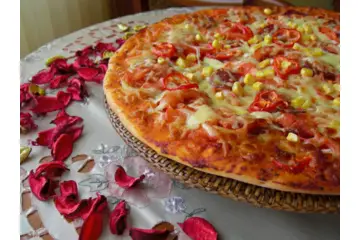











.webp "Pizza Hamuru Tarifi ve Malzemeleri")
.webp "Karışık Pizza Tarifi ve Malzemeleri")

.webp "Margarita Pizza Tarifi ve Malzemeleri")